Why There Is No Single Price for a New Roof
When homeowners ask what a roof costs, they often want one number, but roofing does not work that way. A roof's price is assembled from many factors that vary house to house, so a single figure would be misleading. The size, the material, the complexity, the condition of the decking, and the local labor market all feed into the total, and changing any one of them moves the price. For a Ravenswood homeowner, the useful mindset is to understand the factors that build the cost rather than to chase a universal number, because that understanding is what lets you interpret a real estimate.
Size Is the Starting Point
The foundation of any roofing cost is the size of the roof, since more area requires more material and more labor. A modest single-story home has far less roof than a large two-story one, and the difference shows directly in the price. Size is measured not by the home's square footage but by the roof's area, which the pitch affects, since a steep roof has more surface than its footprint. For a Ravenswood homeowner, the roof's size is the first thing a contractor measures and the base on which everything else is calculated, which is why larger homes naturally face higher roofing costs.
Tear-Off and Old Layers
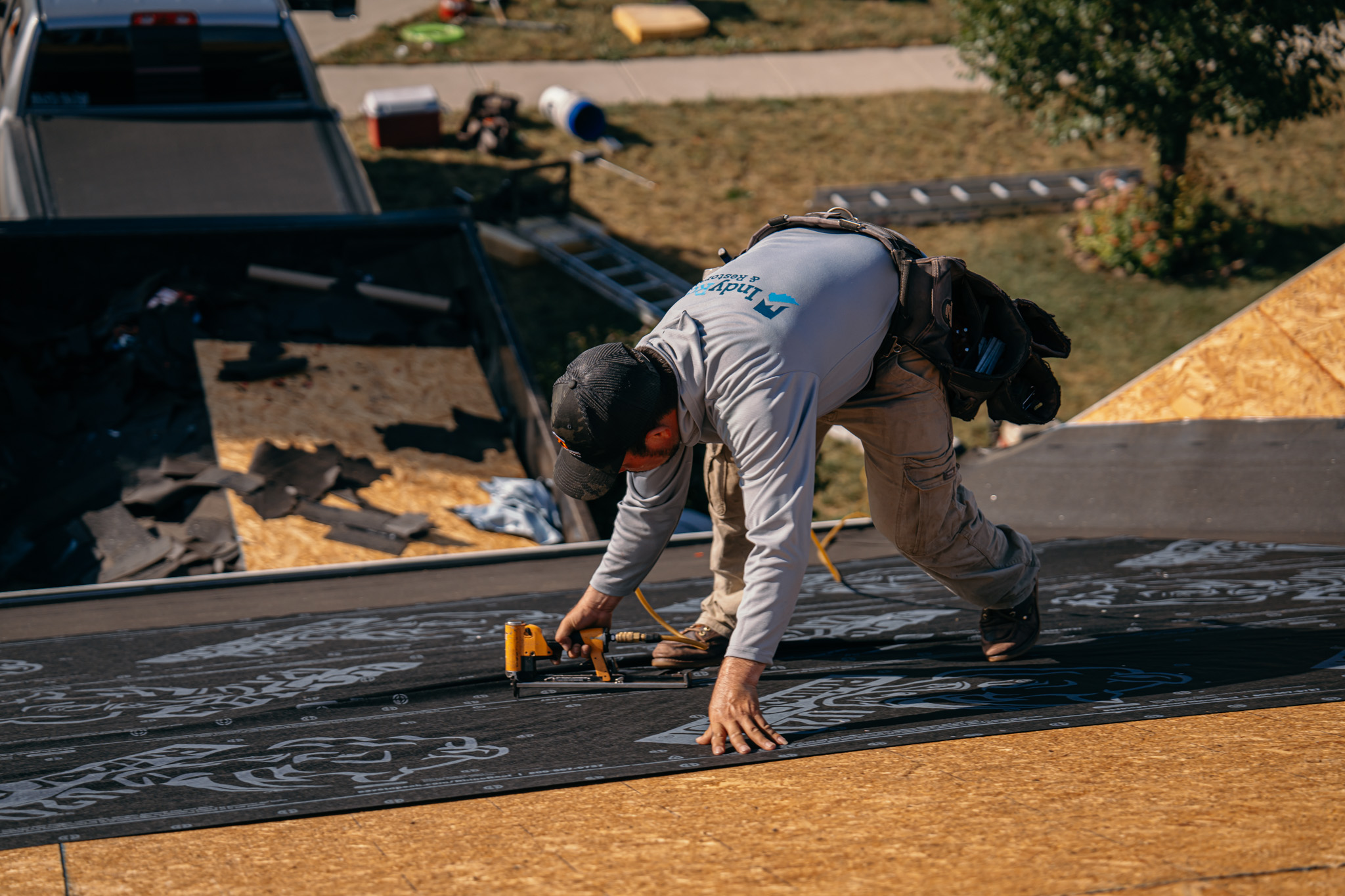
Removing the old roof is part of the cost, and the number of existing layers affects it. A single layer is quicker and cheaper to tear off than two, which generate more labor and more debris to dispose of. This is one reason a roof that was previously roofed over costs more to replace later. A full tear-off, while more expensive than a layover, is usually the better choice because it exposes the decking and gives the new roof its full life. For a Ravenswood homeowner, the tear-off and disposal of the old material is a real line in the cost, influenced by how many layers are up there.
Material Is the Biggest Variable
After size, the material is the largest swing factor in cost. Asphalt shingles are the most affordable and most common, which keeps most replacements at the lower end of the range. Metal costs considerably more, and tile and slate more still, reflecting both the materials themselves and the specialized labor they require. The tradeoff is longevity, since the pricier materials last far longer, which can justify the higher upfront cost over time. For a Ravenswood homeowner, choosing the material is the single biggest decision affecting the price, and it is worth weighing cost against how long each material lasts.
Complexity and Pitch
Two roofs of the same size can cost differently based on their shape and steepness. A simple roof with two large planes is quick to do, while a cut-up roof full of valleys, dormers, chimneys, and skylights takes more labor because each feature needs careful flashing and detail work. Pitch adds cost too, since a steep roof is slower and requires more safety setup. These factors increase the labor portion of the quote. For a Ravenswood homeowner, an intricate or steep roof will cost more than a simple one of similar size, which is part of why an estimate has to be based on the specific roof.
Why Two Quotes Can Differ
Homeowners are often surprised when quotes for the same roof differ noticeably, but there are good reasons. Contractors use different material grades, include different items in the base price, carry different overhead and warranties, and assess the roof differently, including how much decking they expect to replace. A higher quote may reflect better materials, a stronger warranty, or more thorough work, while a much lower one may omit items or cut corners. For a Ravenswood homeowner, the takeaway is to compare what each quote actually includes, line by line, rather than judging on the bottom number alone, since equal-looking quotes can cover very different work.
Cheapest Is Not the Same as Best Value
It is tempting to choose the lowest quote, but the cheapest roof is not always the best value. A very low bid can signal cheaper materials, less experienced labor, a weaker warranty, or omitted work that surfaces later as problems or extra costs. A roof is a long-term investment, and quality installation is what makes it last its full life. The better approach is to weigh cost against materials, warranty, workmanship, and the contractor's reputation. For a Ravenswood homeowner, choosing on value rather than price alone usually means a roof that lasts longer and costs less per year, which is the figure that truly matters.
Getting to Your Actual Number
All of this leads to one conclusion: the only way to know what your roof will cost is a measured estimate on your specific roof. A roofer assesses the size, pitch, material, complexity, and condition, and provides a real figure, ideally itemized so you can see what it covers. Online averages and rules of thumb are useful for rough planning, but they cannot account for your particular roof and can be off in either direction. For a Ravenswood homeowner, getting one or more detailed estimates is the step that turns the general ranges in this guide into a number you can actually budget and compare.
The Square as the Unit of Pricing
Roofers express roof area in squares, each equal to a hundred square feet, and price accordingly. A typical home might have twenty to thirty squares or more, and the cost per square depends mainly on the material and labor. This unit is why per-square figures are a common shorthand for roofing prices and why comparing cost per square can help when evaluating quotes. The pitch raises the square count, since steeper roofs have more area. For a Ravenswood homeowner, knowing that roofs are measured and priced in squares makes quotes more transparent and helps explain why size drives so much of the cost.
Labor and Local Rates
Labor is a major component of roofing cost, often a large share of the total, and it varies by region and roof. It covers the full process: tear-off, decking repair, underlayment, installation, detail work, and cleanup. Steeper and more complex roofs take more time and skill, raising the labor portion. Local labor rates differ by market, so the same roof can cost more in one area than another. Quality labor is also what makes a roof perform and last. For a Ravenswood homeowner, labor explains much of a quote, and it is not the place to cut corners, since poor workmanship leads to early failure.
Permits, Disposal, and the Extras
Beyond the main work, several smaller items add to the cost. Most replacements require a permit, which the contractor typically pulls and includes. Disposal of the old roofing, usually via a dumpster, is part of the price. Extras like upgrading ventilation, adding ice-and-water protection in vulnerable areas, or replacing skylights can add cost depending on the roof and the choices. These are normal parts of a complete job. For a Ravenswood homeowner, understanding that permits, disposal, and various extras are part of the total helps explain the full quote and why it is more than just material and basic labor.
The Decking Unknown
One cost that often cannot be pinned down until the work begins is decking repair. When the old roof comes off, the crew inspects the wood beneath, and any that is rotted or damaged has to be replaced before the new roof goes on, since new roofing over bad decking will not hold. The extent of damage is frequently invisible until the roof is opened, which is why many quotes note decking replacement as a possible add-on priced per sheet. For a Ravenswood homeowner, this is the most common source of a cost difference from the base quote, and budgeting a little buffer for it is wise.